

Top 10 Benefits of Starting a Business with 3rd Party Manufacturers
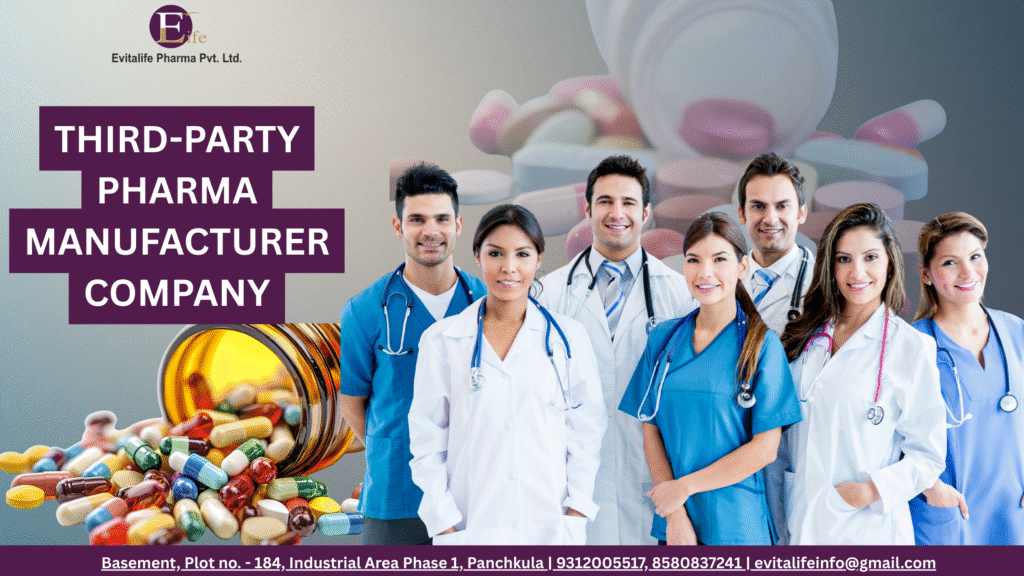
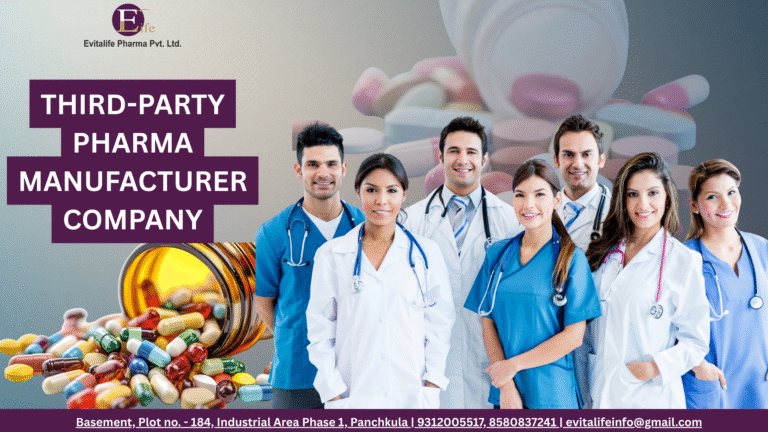
In today’s fiercely competitive pharmaceutical landscape, agility and specialized expertise are not just advantages—they are necessities. For entrepreneurs and established pharmaceutical companies alike, the decision of how to scale production is critical. The traditional path of heavy capital investment in in-house manufacturing is increasingly being replaced by strategic partnerships with third-party manufacturing pharma companies.
This decision to partner with a pharmaceutical third-party manufacturing organization represents a paradigm shift from a capital-intensive model to a knowledge and network-driven business. It allows you to focus on your core strengths—marketing, distribution, and research—while entrusting the complex, regulation-heavy process of production to certified experts.
If you are looking to launch a new product line, expand your market reach, or simply find a reliable, high-quality production partner accessible “near me” (meaning, available for a quick and seamless start), embracing the 3rd party manufacturing model is the definitive step forward.
The Foundational Advantage: Why Third-Party Manufacturing is Essential
The concept of 3rd party manufacturing is simple: a brand owner outsources the complete production process—from raw material sourcing and formulation to packaging and quality control—to a specialized Contract Manufacturing Organization (CMO). This strategic decision unlocks immediate, measurable benefits for your business’s bottom line and long-term viability.
This section details the top ten transformational benefits that make third-party partnerships the choice for modern pharma success.
1. Superior Cost Optimization and Capital Preservation
The single biggest barrier to entry in the pharma industry is the cost of establishing a manufacturing unit. By choosing an experienced third-party partner, your initial capital outlay drops dramatically, immediately boosting your financial stability.
- Avoidance of Fixed Costs: You eliminate the need for heavy machinery, land acquisition, building construction, and high-volume utility contracts.
- Reduced Operational Expenditure (OPEX): The partner absorbs ongoing expenses related to maintenance, utilities, labor, and depreciation.
- Economies of Scale: Reputable CMOs serve multiple clients, allowing them to purchase raw materials and packaging in bulk, passing on significant cost savings to you.
2. Immediate Access to Global Quality Standards
Manufacturing medicines and healthcare products requires adhering to stringent global guidelines like WHO-GMP (Good Manufacturing Practices). Building and maintaining a facility to this level is time-consuming and expensive.
- Pre-Certified Infrastructure: Leading pharmaceutical third-party manufacturing partners already operate from WHO-GMP and ISO certified plants.
- Regulatory Confidence: Your products are automatically manufactured under audited processes, ensuring robust quality management systems (QMS).
- Risk Mitigation: The manufacturer bears the primary responsibility for compliance, safeguarding your brand from regulatory scrutiny related to production defects.
3. Accelerated Time-to-Market
In the pharma sector, being the first to market can define a product’s success. Outsourcing drastically cuts the lead time required to launch.
- Bypass Construction: Skip the 1-2 year timeline for facility construction and regulatory approvals.
- Streamlined Production Cycles: Utilize the CMO’s existing, optimized supply chain and production machinery to go from concept to shelf faster.
4. Enhanced Focus on Core Competencies
When your production is handled by an expert, your team can concentrate fully on what drives revenue: marketing, brand development, sales network creation (PCD Pharma Franchise), and market research.
Focus on Business Growth:
- Distribution logistics
- Branding and promotional strategy
- Customer acquisition and retention
- New drug research and development (R&D)
5. Effortless Scalability and Flexibility
Market demand in pharmaceuticals is rarely static. Third-party manufacturing provides unparalleled agility to respond to fluctuating needs without overcommitting resources.
- Rapid Expansion: Easily scale production quantities up during peak seasons or high-demand periods.
- Simplified Reduction: Scale down production without the financial burden of idle machinery or surplus staff.
- Multi-Product Launch: Simultaneously launch various dosage forms (tablets, capsules, syrups, injectables) using one partner, diversifying your risk and market portfolio.
6. Expertise in Specialized Formulations
CMOs often possess specialized knowledge or equipment that is prohibitively expensive for a single company to acquire, especially for niche segments like Ayurveda or Nutraceuticals.
- Ayurvedic Specialization: Partner with a third-party ayurvedic manufacturer who understands traditional formulation methods and sourcing of specific herbs and extracts.
- Complex Dosage Forms: Gain access to machinery and technical teams capable of handling complex drug delivery systems (e.g., sustained-release tablets, nanosuspensions).
7. Guaranteed Supply Chain Resilience
A reliable manufacturer has established relationships with raw material suppliers and logistics providers. This network depth ensures consistency and quality, even when market conditions are volatile.
- Vetting and Sourcing: The CMO handles the rigorous process of vetting and auditing ingredient suppliers.
- Inventory Management: They manage the warehousing and inventory of raw materials and finished goods, reducing your logistics burden.
8. Confidentiality and Intellectual Property Protection
Reputable contract manufacturers sign strict Non-Disclosure Agreements (NDAs) and uphold best practices for intellectual property (IP) protection, ensuring your proprietary formulations remain secure.
9. Market Entry and Geographical Expansion
Third-party partners often have licenses to manufacture and distribute in multiple states or even countries, facilitating quick geographical expansion for your products.
- Regulatory Clearance: Leverage their existing state and national licenses.
- Fulfillment Centers: Access their established distribution points for faster, more efficient market penetration.
10. Innovation Through Partnership
A top CMO is not just a supplier; they are an innovation partner. They often have R&D teams that can suggest formulation improvements, cost-saving alternatives, and new product ideas based on market trends they observe across their client base.
- Process Optimization: Receive advice on improving manufacturing yields and quality metrics.
- Packaging Innovations: Gain insights into modern, compliant, and cost-effective packaging solutions.
A. Establishing Authority: The Compliance Mandate
The quality of a 3rd party manufacturing partnership is directly proportional to its regulatory compliance. This is where your brand’s authority is established.
| Compliance Standard | What It Signifies for Your Brand | EEAT Role |
| WHO-GMP Certification | Global assurance of systematic, quality production control. | Authority/Trust |
| ISO Certifications | Commitment to standardized quality management systems. | Expertise |
| Standard Operating Procedures (SOPs) | Documentation and enforcement of every step in the process. | Trust |
| Regular Auditing | A commitment to external and internal quality checks. | Experience |
Crucial Steps for EEAT Compliance:
- Supplier Qualification: Manufacturers must qualify every supplier of Active Pharmaceutical Ingredients (APIs) and excipients.
- Batch Documentation: Complete traceability from raw material to finished product is mandatory, a key indicator of trust.
- Stability Studies: Robust stability testing ensures the product remains effective throughout its shelf life under specified storage conditions.
B. Semantic Expansion: The Ayurvedic and Nutraceutical Edge
The demand for specialized manufacturing is high. By addressing niches, we capture highly relevant long-tail search traffic.
Focus on Third-Party Ayurvedic Manufacturer
Ayurveda requires specialized knowledge of traditional texts, herbal sourcing, and decoction methods. A leading third-party ayurvedic manufacturer must demonstrate dual expertise: modern processing efficiency and ancient wisdom fidelity.
Key Requirements for Ayurvedic CMOs:
- Natural Sourcing: Ethical and sustainable sourcing of raw herbs (e.g., Amla, Ashwagandha, Giloy).
- Purity Testing: Use of advanced testing (like HPTLC) to confirm the identity and purity of herbal extracts, combating adulteration.
- Specific License: Adherence to AYUSH guidelines for manufacturing traditional medicine.
Focus on Nutraceutical Contract Manufacturing
The nutraceutical market is consumer-driven and rapidly evolving. Partnerships here must prioritize high bioavailability and quick formulation turnaround.
- Dosage Diversity: Offering specialized forms like soft-gel capsules, gummies, and liquid oral suspensions.
- Bioavailability Enhancement: Expertise in techniques like liposomal encapsulation or micronization to improve nutrient absorption.
C. Addressing Questionable Keywords
| Questionable Keyword/Query | Direct Answer/Guidance |
| “Is third-party pharma manufacturing risky?” | Risk is mitigated by due diligence. Risk primarily lies in choosing a partner without current GMP certification or poor financial stability. Always audit the facility yourself. |
| “How to choose the best 3rd party manufacturer?” | Look for 3 Cs: Compliance (WHO-GMP), Capacity (to meet your MOQs), and Commitment (dedicated relationship manager and communication protocols). |
| “What is the minimum order quantity (MOQ) for pharma manufacturing?” | MOQs vary significantly, typically depending on the dosage form and machine efficiency. Start-ups should look for partners known for flexibility and lower initial MOQs to reduce inventory burden. |
| “Can a startup afford third-party manufacturing?” | Yes. It is generally the most affordable starting point, as it eliminates 90% of the initial capital expenditure associated with building an in-house facility. |
The phrase “pharma manufacturer near me” is often less about physical proximity and more about accessibility, reliability, and ease of doing business. For a national business, “near me” translates to:
- Near-Instant Accessibility: A partner who offers a quick, transparent onboarding process and dedicated support (e.g., a 24/7 dedicated liaison).
- Near-Zero Delay: A manufacturer with efficient logistics and a proven track record of on-time, pan-Indian delivery, minimizing lead times.
- Near-Perfect Communication: A CMO that provides full transparency, clear batch tracking, and real-time updates on production status.
The Partnership That Defines Success
Starting a business in the pharmaceutical industry is a venture of high stakes and high rewards. Leveraging the capabilities of specialized 3rd party manufacturing partners is no longer just a trend, but the gold standard for achieving operational efficiency and regulatory excellence.
By preserving capital, accessing immediate WHO-GMP compliance, and freeing your internal teams to focus on market development, you effectively de-risk your business launch and accelerate growth. Whether you are expanding your line of general medicines, diving into the lucrative nutraceutical market, or pioneering new Ayurvedic formulations, choosing a trusted, quality-driven contract manufacturer is the single most important strategic decision you will make.
Ready to transform your vision into a market reality with certified, high-quality production? Partner with a manufacturing expert today and gain the competitive edge you need to thrive.
Frequently Asked Questions
Q1. What exactly is the difference between PCD Pharma Franchise and Third-Party Manufacturing?
A. PCD Pharma Franchise involves taking the marketing and distribution rights for a manufacturer’s existing brand name and products in a specific area. Third-Party Manufacturing (or contract manufacturing) involves hiring the manufacturer to produce goods under your brand name and label. The franchise model uses their brand; the third-party model builds your brand.
Q2. Is the Minimum Order Quantity (MOQ) negotiable for new businesses?
A. While many large manufacturers maintain high MOQs due to production efficiency, many partners specializing in start-ups are flexible. It is essential to negotiate based on the product type (e.g., tablets generally have a lower MOQ than injectables) and demonstrate a clear, scalable business plan.
Q3. How do I ensure the quality and authenticity of the raw materials used?
A. You must demand full transparency and documentation. Reputable CMOs will provide:
- Certificates of Analysis (COA) for all Active Pharmaceutical Ingredients (APIs).
- Proof of vendor auditing and qualification.
- The opportunity to audit the facility and inspect the raw material storage area.
Q4. How long does the entire process—from initial inquiry to finished goods—typically take?
A. The timeline varies widely but follows a general sequence:
- Agreement & Documentation: 1-2 weeks.
- Procurement of Raw Materials: 3-5 weeks.
- Manufacturing, Quality Control, and Packaging: 2-4 weeks.
The entire cycle averages 8 to 11 weeks, assuming all documents and approvals are provided swiftly by your end.
Q5. Who is responsible for obtaining government approvals (e.g., Drug License) for the final product?
A. The third-party manufacturing pharma partner (the CMO) holds the manufacturing license (e.g., WHO-GMP). However, the brand owner (you) is typically responsible for registering the product under their brand name and obtaining the final necessary sales/distribution licenses for their operating territory.
Q6. Can a third-party manufacturer help with product formulation development?
A. Yes, and this is a major benefit. Reputable CMOs often have in-house R&D teams and labs (EEAT evidence) that specialize in improving existing formulations, developing new dosage forms, and helping customers stabilize proprietary mixtures, often referred to as Research & Development as a Service (R&DaaS).
Q7. What kind of intellectual property (IP) protection should I expect?
A. Robust IP protection is paramount. Always ensure the agreement includes a stringent Non-Disclosure Agreement (NDA) and explicitly states that all intellectual property, including proprietary formulations and final product branding, remains the sole property of the client (your company).
Q8. What factors are critical when specifically choosing a third-party ayurvedic manufacturer?
A. Beyond standard GMP compliance, look for: AYUSH-certified facilities, dedicated sections for herb handling and storage, and a demonstrated ability to perform analytical testing to verify the potency and lack of contaminants in botanical extracts.
2 Responses